
In our day-to-day work with commercial clients, one thing has become very clear over time: most business owners don’t think about their electrical system until something goes wrong. A breaker trips during peak hours, lights flicker in the middle of service, or critical equipment suddenly shuts down — and everything stops.
From our experience, downtime is never just an electrical inconvenience. It is a business interruption that affects revenue, customer trust, productivity, and sometimes even long-term reputation. That is why proper electrical planning and setup is not just a technical step — it is a business decision.
In this article, we want to share our perspective on how a well-designed electrical system helps prevent downtime, based on real commercial project experience.
Why electrical downtime is a serious business issue
Electrical downtime can impact almost every type of business in a different way, but the result is always the same: operations stop.
In retail environments, point-of-sale systems go offline and customers cannot complete purchases.
In offices, computers, servers, and communication systems shut down.
In restaurants, kitchen equipment stops working, delaying or completely halting service.
In warehouses, operational equipment and logistics systems can come to a standstill.
What we’ve seen repeatedly is that most of these issues don’t happen suddenly. They build up over time due to poor planning, overloaded circuits, or systems that were never designed for the actual business demand.
The importance of proper electrical planning from the start
One of the biggest factors in preventing downtime is proper electrical planning before a system is even fully in use. Many commercial spaces expand their operations over time — more equipment, more devices, more demand — but the electrical system often stays the same.
When we work on commercial sites, we often see systems that were technically “good enough” at installation, but not designed for growth. This creates long-term strain on the infrastructure.
Proper planning ensures:
- electrical loads are balanced correctly
- circuits are assigned based on real usage
- capacity is built with future growth in mind
- critical systems are protected from overload
This kind of planning is what separates a stable system from one that constantly fails under pressure.
Common electrical issues that lead to downtime
In almost every commercial environment, we see a similar pattern of electrical problems that eventually lead to downtime.
Some of the most common issues include:
- overloaded circuits from added equipment
- frequent breaker trips during peak hours
- outdated panels that can’t handle modern demand
- unstable or uneven power distribution
- excessive use of extension cords and temporary solutions
- worn or poorly connected wiring
Individually, these issues may seem small. But together, they significantly increase the risk of unexpected shutdowns.
How proper electrical setup improves reliability
A properly designed electrical system does more than just “work.” It supports the business as it grows and changes.
From our experience, reliable systems always include:
- dedicated circuits for high-demand equipment
- correctly sized electrical panels
- balanced load distribution across phases
- proper grounding and protection systems
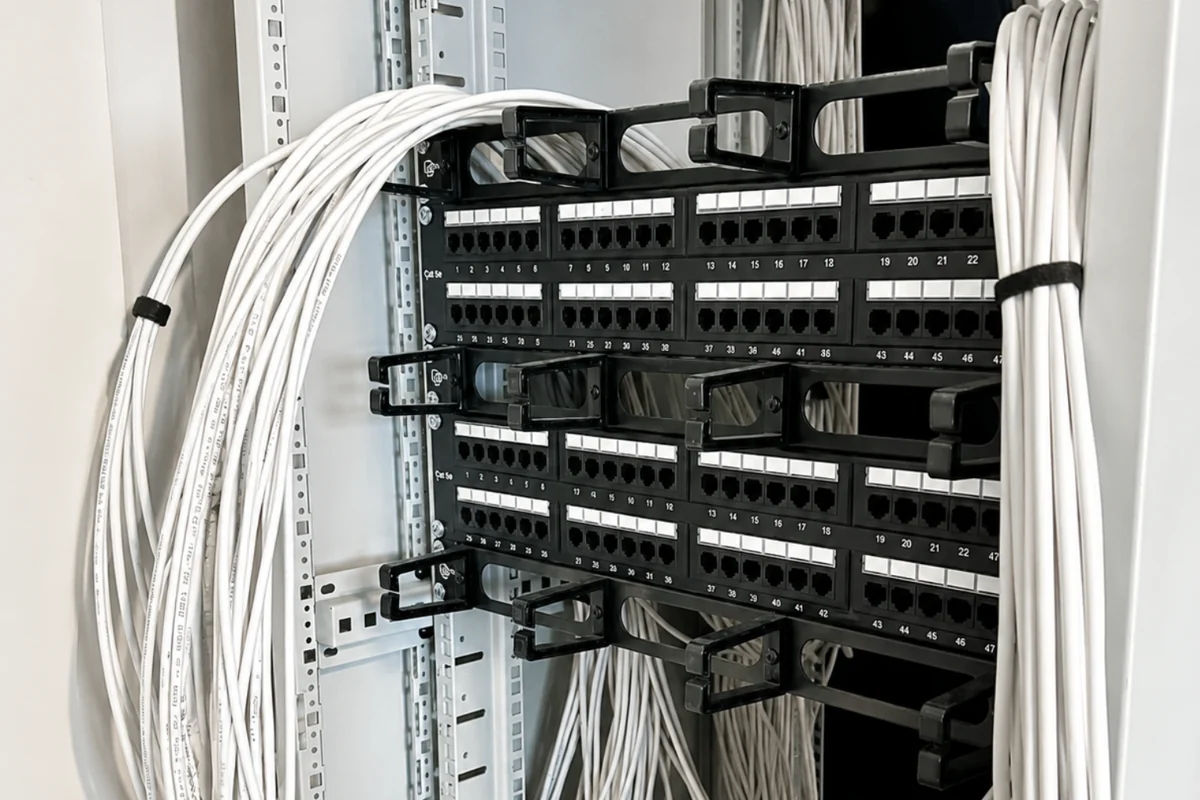
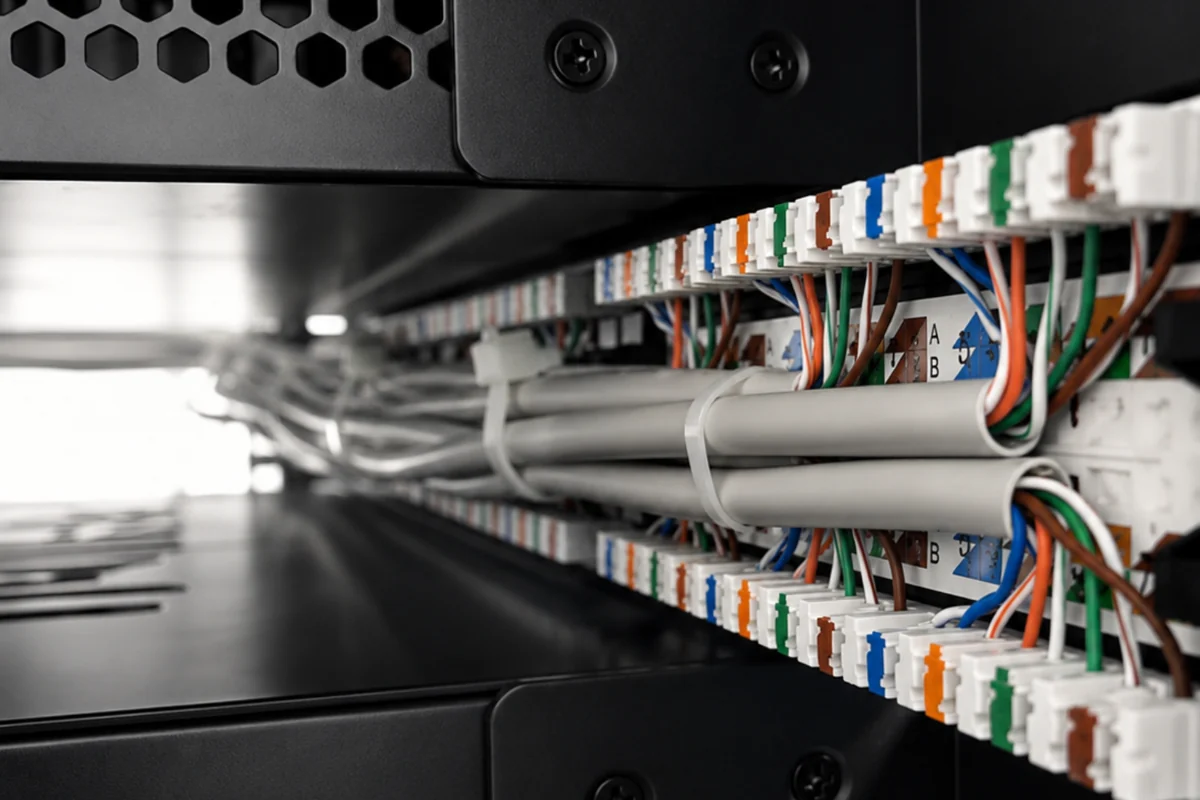
- clean and organized wiring infrastructure
When these elements are in place, the system is far less likely to fail under pressure. It also becomes easier to diagnose and fix issues before they turn into downtime.
This is especially important in environments where even a few minutes of interruption can lead to lost revenue.
Preventing problems before they interrupt operations
One of the most important lessons we’ve learned is that electrical downtime is almost always preventable.
Most failures don’t happen instantly — they show warning signs:
- lights dimming or flickering
- breakers tripping repeatedly
- equipment restarting unexpectedly
- outlets or panels feeling warm
- inconsistent power delivery
When these signs are ignored, they often turn into full system failures.
A proactive approach focuses on identifying these issues early and correcting them before they disrupt operations.
The role of modern electrical systems in business continuity
Modern commercial environments depend heavily on stable power. Even a short interruption can affect:
- payment systems
- communication tools
- security systems
- network infrastructure
That is why modern systems are designed not just for power delivery, but for stability and scalability.
In our projects, we often integrate systems that can support future expansion, especially in growing businesses that expect increased demand over time.
This is where structured low voltage networking systems become particularly important, as they support communication and operational technology that businesses rely on every day.
Why system upgrades are often necessary
Many businesses operate on electrical systems that were installed years ago, long before their current level of demand.
As operations grow, older systems begin to struggle. This is when downtime becomes more frequent.
Upgrading the system allows businesses to:
- increase capacity safely
- reduce load stress on existing circuits
- improve overall system stability
- support modern equipment and technology
Without upgrades, even small expansions can push systems beyond their limits.
Integrated approach to commercial electrical work
In larger commercial projects, electrical systems are rarely isolated. They are part of a bigger infrastructure that includes lighting, networking, equipment, and operational systems.
That is why integrated planning is so important. When everything is designed together, the result is a more stable and efficient system.
This is especially true in turnkey electrical projects, where the entire system is designed, installed, and coordinated as one complete solution rather than separate parts. This approach significantly reduces the risk of compatibility issues or uneven electrical loads.
Real-world impact: what we see in commercial projects
From our experience working with different businesses, the difference between a properly designed system and a poorly planned one is very clear.
Businesses with well-structured electrical systems typically experience:
- fewer interruptions
- more stable daily operations
- lower maintenance emergencies
- better long-term cost efficiency
Meanwhile, poorly planned systems often lead to repeated downtime, reactive repairs, and unexpected operational disruptions.
How CL Electric supports business reliability
At CL Electric, our focus has always been on building electrical systems that support real business operations — not just systems that “turn on and off,” but systems that stay stable under real commercial demand.
We provide support across:
- commercial installations
- system upgrades and improvements
- troubleshooting and repairs
- full project coordination and execution
Through our experience in electrical contracting services, we’ve seen how much difference proper planning and execution can make in reducing downtime and improving overall system reliability.
Final thoughts
Electrical downtime is rarely random. In most cases, it is the result of systems that were not designed for current demands or were not properly maintained as businesses grew.
The good news is that most of these issues can be prevented with the right planning, design, and execution from the start.
A well-structured electrical system does more than deliver power — it protects operations, supports growth, and keeps businesses running without interruption.
And in today’s fast-moving commercial environment, that reliability is not optional — it is essential.