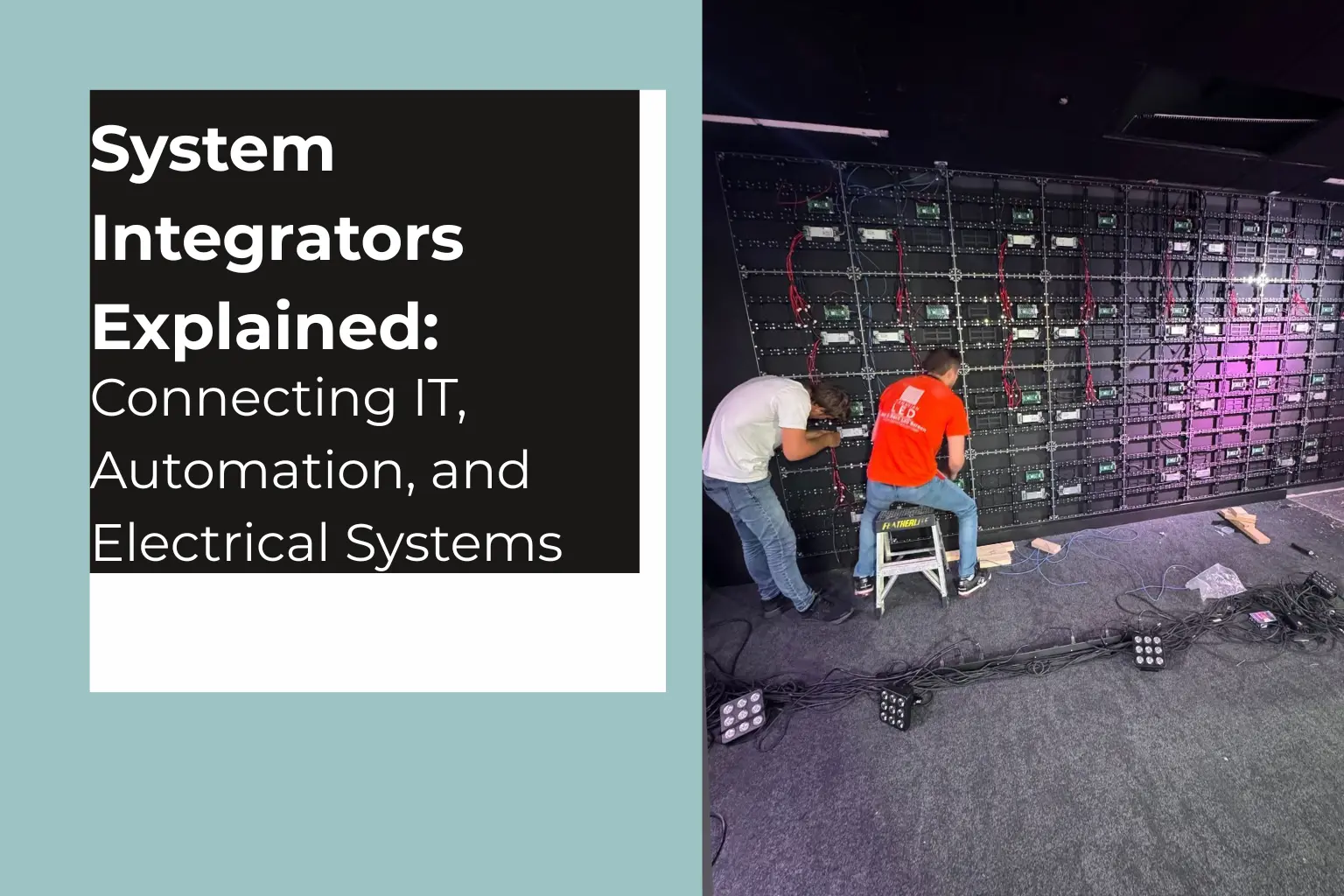
Hi, I’m Vitaly, the main technician at CL ELECTRIC. Over the years, I’ve worked on everything from small office AV setups to full-scale smart building automation. One question I hear a lot is: “What exactly does a system integrator do, and why would I need one?”
I want to share my perspective based on real projects I’ve done across Canada — from electrical infrastructure and IT networking to office automation, AV systems, and LED displays. By the end of this article, you’ll understand what a system integrator does, why businesses need one, and how CL ELECTRIC can help you buy, rent, or connect the right technology solutions.
What Is a System Integrator?
In simple terms, a system integrator is someone who brings different technologies together so they work as one cohesive system. It’s like assembling a puzzle where each piece — electrical systems, IT networks, AV equipment, or smart automation devices — must fit perfectly to complete the picture.
From my experience, being a system integrator isn’t just about installing hardware. It’s about designing, connecting, and managing entire ecosystems to make sure everything works smoothly — now and in the future.
At CL ELECTRIC, we specialize in integrating:
- Electrical systems and cabling
- Networking and IT infrastructure
- AV and LED display solutions
- Smart office and meeting room automation
- Security and access control
- ERP, CRM, and IoT systems
Every system is different, and my favorite part of the job is seeing all the technologies work together seamlessly.
What Systems Do Integrators Connect?
Over my years in the field, I’ve seen system integrators connect a wide range of technologies:
- IT Infrastructure and Networking – Servers, storage, switches, routers, and structured cabling. Without a solid network, no system can communicate properly.
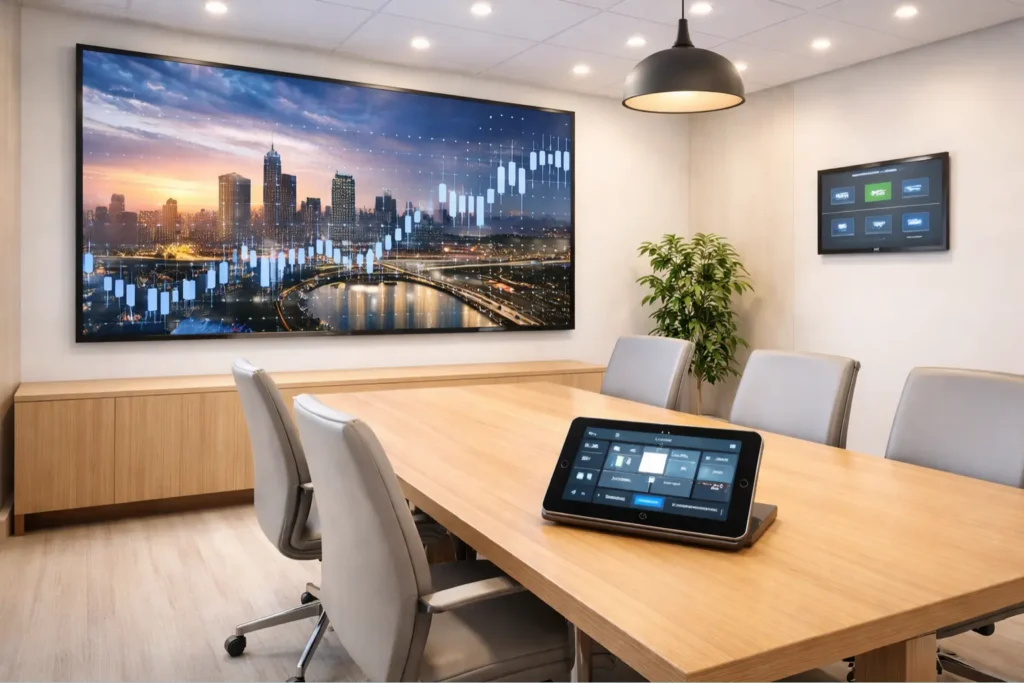
- Audiovisual and LED Systems – From LED walls to video conferencing setups, I make sure your AV equipment works flawlessly with your automation and IT systems. If you want to buy LED display or integrate it into your office, we handle the full setup.
- Office Automation – Lights, climate, and multimedia can all be automated and centralized. This is what I often refer to as “connect office automation” — one platform to control everything.
- Security and Access Control – Cameras, door access, alarms, and monitoring systems, all integrated into your network for real-time management.
- ERP, CRM, and IoT Integration – In larger projects, software and IoT devices need to connect with physical infrastructure. I ensure that data flows seamlessly between all departments and systems.
- Event and Short-Term Solutions – For events or temporary installations, you can rent LED displays that integrate with your AV and automation systems.
How a System Integration Project Works
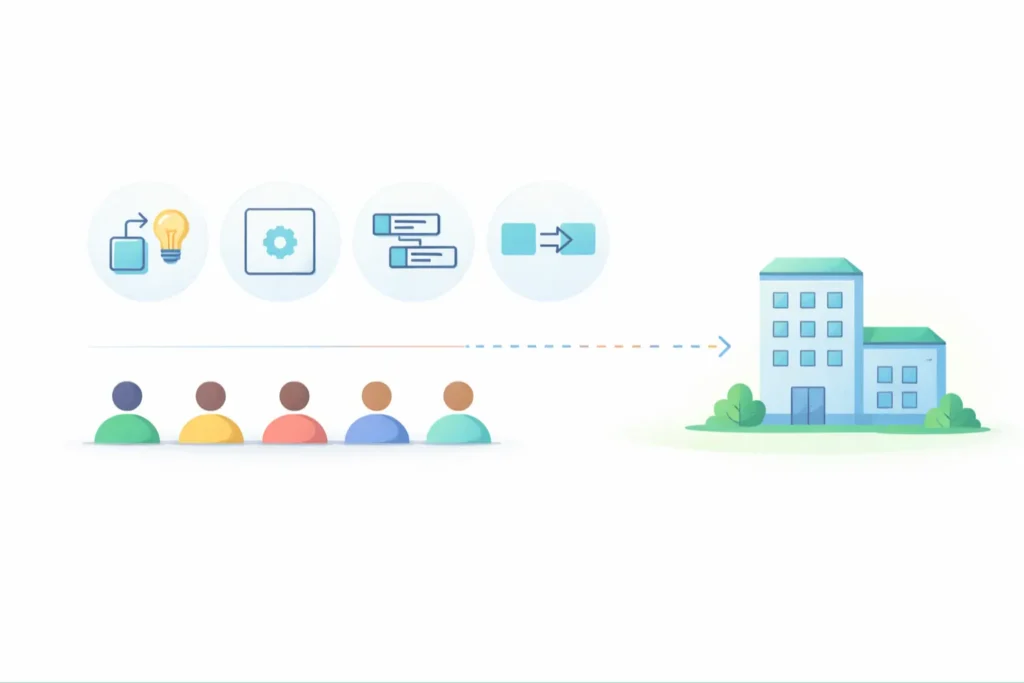
Every project follows a structured workflow, which I’ve refined through years of experience:
1. Assessment
We start by understanding your current systems, workflows, and goals. I look at electrical layouts, IT networks, AV setups, and automation capabilities.
2. Planning and Design
Next, we design an integration plan that ensures all systems work together. This includes choosing compatible hardware, software, and control platforms.
3. Installation
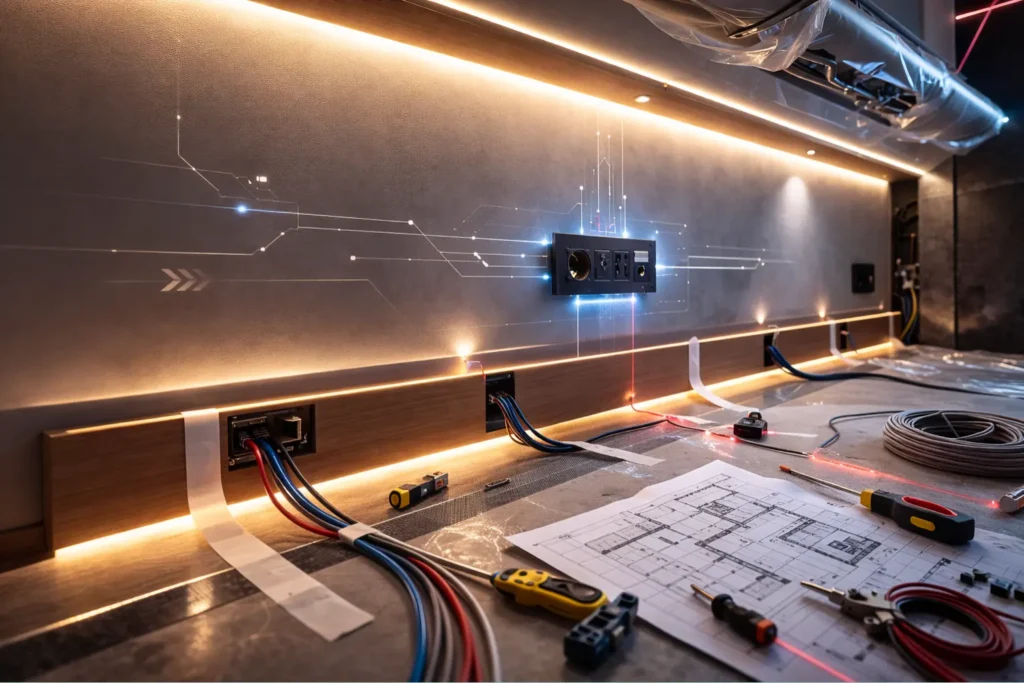
This is the hands-on part: running cables, installing servers, setting up LED displays, and configuring automation devices. Precision is key.
4. Integration and Configuration
Installing hardware is just the beginning. I configure each system to communicate seamlessly, from network settings to AV synchronization and automation routines.
5. Testing
We simulate real-world usage to ensure everything works as expected — lights, climate, video walls, and IT infrastructure all running together.
6. Training and Support
Finally, I provide training and documentation, so clients can confidently use their systems. And we’re always available for support or future upgrades.
Benefits of Working With a System Integrator
From my perspective, the value of hiring a system integrator is clear:
- Unified Systems – One platform controls electrical, IT, AV, and automation systems.
- Time and Cost Savings – Avoid errors, misconfigurations, and wasted resources.
- Scalability – Systems can grow with your business.
- Reliability – Proper integration reduces downtime.
- Better User Experience – Whether it’s an office, retail space, or event venue, everything works smoothly.
Whether you want to buy LED display, rent LED displays, or connect office automation, working with a professional ensures peace of mind and a functional, future-ready environment.
Signs You Need a System Integrator
- Multiple systems don’t communicate
- You plan to expand or upgrade technology
- You want smart automation for office or meeting rooms
- You need centralized control for IT, AV, or security
- You want reliable support for LED displays or AV systems
How to Choose the Right System Integrator
Based on my experience, here’s what makes a great system integrator:
- Full-service capability – Able to handle electrical, IT, automation, and AV systems.
- Proven projects – Check references or case studies.
- Scalable solutions – Able to adapt to future growth.
- Support and maintenance – Training and ongoing assistance.
- Partner network – Collaborates with trusted technology vendors like Loxone to deliver fully integrated automation and AV solutions.
If you’re searching for the right professional, you can find system integrator services with CL ELECTRIC across Canada.
Real-World Examples From My Experience
- Smart Office Integration – Automated lighting, climate, AV, and LED systems controlled from a single platform.
- Retail Branch Upgrade – LED displays, security cameras, and access control all integrated for centralized monitoring.
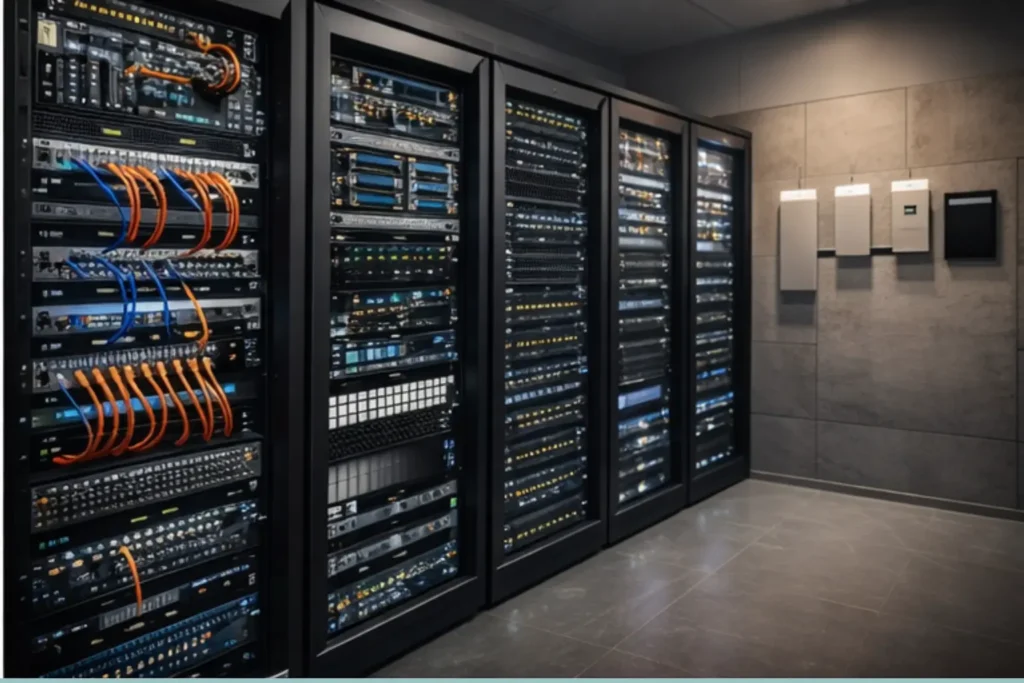
- Data Center Setup – Integrated servers, networking, and monitoring systems for a fully operational, scalable infrastructure.
- Event LED Setup – Temporary LED displays rented for a conference, integrated with audio, video, and lighting systems for a seamless experience.
Future Trends in System Integration
- IoT and AI-driven automation – Devices that communicate and make intelligent decisions.
- Unified platforms – One interface for lighting, climate, AV, security, and IT.
- Cloud integration – Remote monitoring and management anywhere.
- Energy efficiency and sustainability – Optimizing power across all systems.
At CL ELECTRIC, we embrace these trends to deliver cutting-edge solutions that work today and tomorrow.
Conclusion
From my years in the field, I can confidently say: a system integrator is essential for any business or organization looking to connect multiple technologies efficiently. Whether you want to buy LED display, rent LED displays, connect office automation, or simply find a system integrator to handle turnkey projects, working with CL ELECTRIC ensures everything runs seamlessly.
Check out our services at CL ELECTRIC or reach out to discuss your next project. With the right system integrator, technology finally works the way it’s supposed to — reliably, efficiently, and effortlessly.