
When you spend enough time working inside commercial buildings—offices, warehouses, retail spaces, and industrial facilities—you start to notice a pattern.
Most electrical systems don’t fail suddenly. They grow out of date quietly. A building gets new tenants, new equipment gets added, power demand increases, and at some point the original electrical infrastructure just isn’t enough anymore.
That’s usually when businesses start looking into commercial electrical upgrades.
At CL Electric, we’ve seen firsthand how the right upgrades can improve safety, efficiency, and long-term reliability. In most cases, upgrades are rarely about one single fix—they’re about creating an electrical system that supports current operations while preparing for future growth.
Let’s look at what this actually means in real-world commercial projects and the key areas that matter most.
Why Commercial Electrical Upgrades Matter More Than Most Businesses Realize
One of the most common situations we encounter is a business expanding operations without evaluating its electrical capacity. New equipment gets added, workstations increase, HVAC systems get upgraded—but the electrical system often stays the same.
That’s when problems begin to show up:
- Circuit breakers tripping more frequently
- Equipment not running at full capacity
- Flickering or inconsistent lighting
- Increased maintenance issues
- Higher energy costs without clear explanation
These are not just inconveniences. They’re early warning signs that the electrical system is under stress.
In commercial environments, downtime is expensive. Even a short interruption can affect productivity, customer experience, and revenue. That’s why electrical upgrades are not just maintenance—they’re part of business continuity planning.
The Role of Commercial Electrical Contracting in Modern Projects
When approaching a commercial upgrade project, the first step is almost always a thorough assessment and planning process. This is where professional expertise becomes critical.
Most commercial projects today require coordination between electrical systems, building infrastructure, and future expansion plans. That’s where commercial electrical contracting plays a key role.
The most successful projects typically begin with a clear understanding of:
- Current load capacity
- Future power requirements
- Safety and compliance standards
- Building usage patterns
- Expansion plans over the next 3–5 years
Commercial electrical work is rarely just about “fixing” something. It’s about designing systems that can handle where the business is going—not just where it is today.
LED Display Solutions and the Shift Toward Modern Commercial Spaces
One of the biggest changes in commercial environments over the past several years has been the rise of digital communication systems.
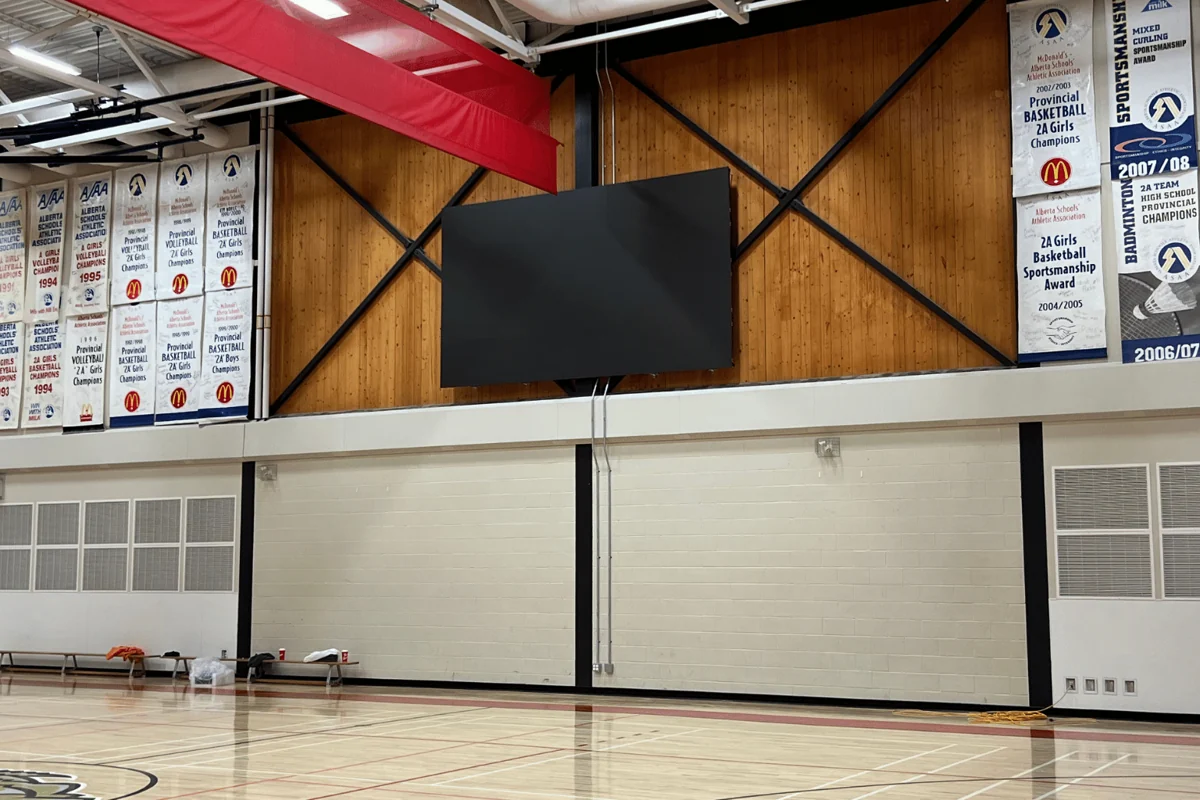
Businesses are moving away from static signage and outdated display systems and shifting toward dynamic, flexible solutions. This is where LED display solutions have become a major part of commercial upgrades.
Projects involving traditional signage upgrades often reveal benefits that go far beyond aesthetics:
- Lower long-term energy consumption
- Better visibility in large commercial spaces
- Ability to update messaging instantly
- Improved customer engagement
- More professional and modern appearance
In retail environments especially, LED systems have become a competitive advantage. Instead of static visuals, businesses can adapt messaging in real time based on promotions, seasons, or customer behavior.
From a technical standpoint, integrating these systems into existing electrical infrastructure requires careful planning. Power distribution, control systems, and load balancing all need to be considered to ensure stable performance.
Low Voltage Systems: The Hidden Backbone of Modern Buildings
One area many business owners underestimate is low voltage infrastructure.
Most people think of electrical systems in terms of lighting or power outlets. However, modern commercial buildings rely heavily on interconnected systems that operate on low voltage networks.
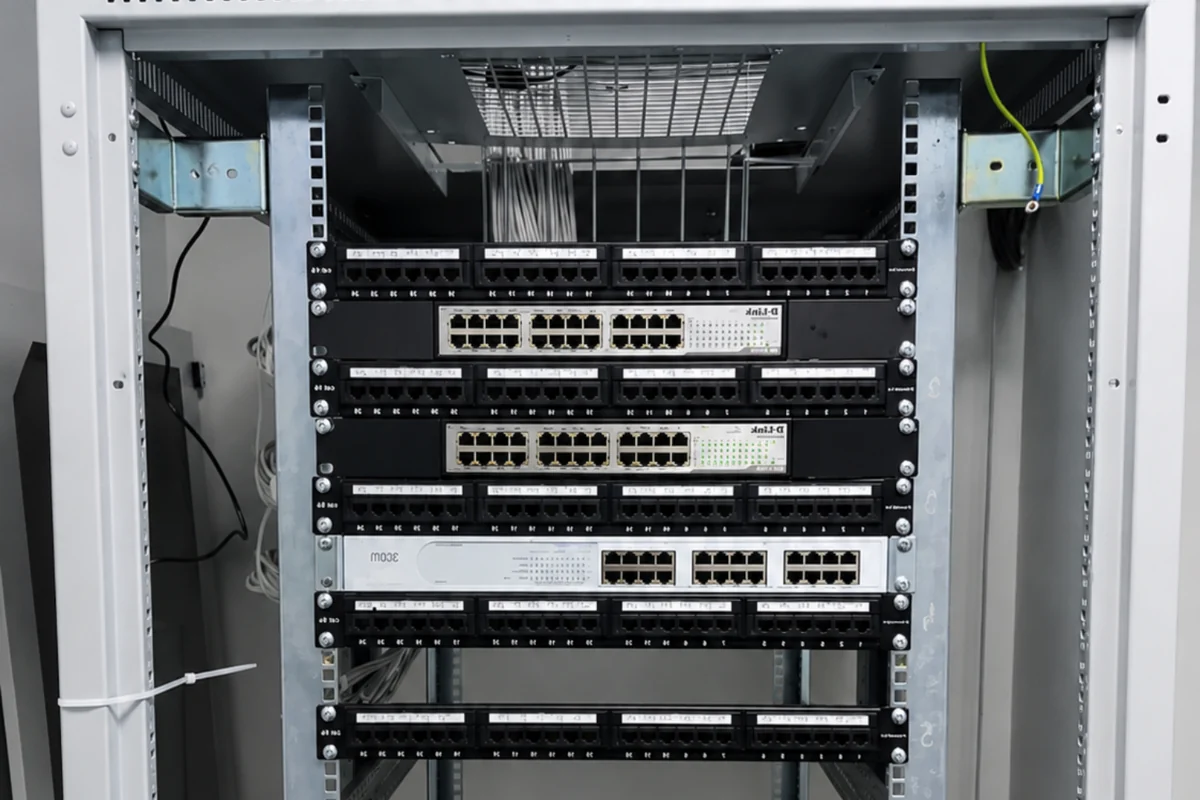
This includes everything from security systems to communication networks. That’s why low voltage systems are now a core part of many commercial upgrade projects.
These systems often include:
- Structured cabling for data networks
- Security cameras and surveillance systems
- Access control systems
- Internet and communication infrastructure
- Integrated smart building controls
What makes low voltage systems so important is that they connect everything together. Even if a building has a strong power system, operations can still suffer if communication and control systems are outdated or poorly integrated.
In many cases, upgrading low voltage infrastructure can have a significant impact on workflow, security, and overall system reliability.
Electrical Maintenance Services: The Part Most Businesses Ignore
One of the most common mistakes in commercial environments is treating electrical systems as something that only requires attention when something breaks.
The reality is that most major failures are preventable.
This is where electrical maintenance services become essential. Regular inspections and preventative maintenance help identify issues before they turn into costly downtime.
Typical maintenance activities include:
- System inspections and testing
- Load monitoring
- Thermal imaging of critical components
- Identifying wear and aging equipment
- Ensuring compliance with updated codes
- Checking panel performance and distribution balance
Many business owners are surprised by how much hidden inefficiency exists in older systems. Even when everything appears to be functioning properly, small issues can gradually increase energy consumption and reduce performance over time.
Preventative maintenance is not just about safety—it’s also about cost control and operational efficiency.
How All These Systems Work Together
What makes commercial electrical upgrades complex is that none of these systems operate in isolation.
For example:
- Electrical contracting ensures the core infrastructure is designed properly
- LED display systems depend on stable power and control systems
- Low voltage systems connect communication and security infrastructure
- Maintenance ensures everything continues to operate reliably over time
When all of these elements are properly integrated, the result is a commercial building that is safer, more efficient, and more adaptable to future growth.
In most modern projects, the focus is no longer on individual upgrades—it’s on complete system performance.
The Real Value of Planning Ahead
If there’s one thing we consistently emphasize when discussing commercial electrical upgrades, it’s this: planning matters more than installation.
Most expensive problems in commercial buildings don’t happen because of poor equipment. They happen because systems are expanded without considering long-term capacity or integration.
A well-planned upgrade strategy allows businesses to:
- Avoid unexpected downtime
- Reduce long-term operating costs
- Improve energy efficiency
- Scale operations more easily
- Extend the lifespan of existing infrastructure
This is why modern commercial electrical work has become increasingly strategic. It’s no longer just technical—it’s operational planning that supports business growth.
Final Thoughts
Commercial electrical upgrades are not just about replacing old systems. They’re about building a foundation that supports how a business operates today—and how it will operate in the future.
At CL Electric, we help businesses create reliable, scalable electrical systems through professional commercial electrical contracting, modern LED display solutions, advanced low voltage systems, and ongoing electrical maintenance services.
The goal is always the same:
Create a system that is reliable, efficient, and ready to grow with the business.
Businesses that invest in proactive planning and upgrades often avoid the costly disruptions that come later. And in commercial environments, avoiding downtime is often the most valuable upgrade of all.